Many people search online for chaudas kab hai to know the exact date of Chaturdashi and understand its religious importance. In the Hindu calendar, Chaturdashi is the fourteenth day of either the waxing or waning phase of the moon. Since several important festivals and rituals are observed on this day, knowing chaudas kab hai helps devotees prepare for fasting, worship, and spiritual activities.
The significance of Chaturdashi varies according to the lunar month and regional traditions. Whether it is associated with Shiva worship, ancestral rituals, or festival preparations, people eagerly wait to learn chaudas kab hai so they can perform religious practices at the appropriate time.
What Is Chaudas and Why Is It Important?
When people ask chaudas kab hai, they are referring to Chaturdashi, the fourteenth lunar day in the Hindu Panchang. This day occurs twice every lunar month—once during Krishna Paksha (waning moon) and once during Shukla Paksha (waxing moon).
The importance of Chaturdashi is deeply rooted in Hindu traditions. Many devotees search chaudas kab hai because several auspicious observances, including monthly Shivratri, Narak Chaturdashi, and Anant Chaturdashi, fall on this tithi. Religious texts describe this day as spiritually powerful and beneficial for prayer, meditation, and fasting.
Chaudas Kab Hai According to the Hindu Calendar?
One of the most common questions among devotees is chaudas kab hai according to the current Hindu calendar. The exact date of Chaturdashi changes every month because Hindu festivals follow the lunar calendar rather than the Gregorian calendar.
To determine chaudas kab hai, astrologers and priests refer to the Panchang, which calculates lunar movements and tithi timings. Since Chaturdashi may begin or end at different times during the day, devotees are encouraged to verify the exact Panchang details for their region before planning religious activities.
Understanding chaudas kab hai in advance helps people organize fasting schedules, temple visits, and family rituals without confusion.
Religious Significance of Chaudas
The question chaudas kab hai becomes especially important because Chaturdashi carries immense religious significance. Many Hindu scriptures associate this tithi with Lord Shiva, making it a preferred day for worship and spiritual discipline.
Devotees who regularly observe fasts often search chaudas kab hai to perform prayers dedicated to Lord Shiva. It is believed that worship on Chaturdashi can remove negative influences, bring peace of mind, and support spiritual growth.
Apart from Shiva worship, some communities use Chaturdashi for ancestral remembrance and charitable activities. Therefore, knowing chaudas kab hai allows followers to participate in these sacred traditions at the correct time.
Rituals Performed on Chaudas
People interested in chaudas kab hai are often preparing for the rituals associated with this special day. Ritual practices can vary by region, but some common customs are observed throughout India.
Many devotees begin the day with a holy bath after checking chaudas kab hai in the Panchang. They then visit temples, offer flowers, light lamps, and recite sacred mantras. Shiva devotees frequently perform Abhishek using milk, water, honey, and Bilva leaves.
Fasting is another major practice linked to Chaturdashi. Those who observe a fast after confirming chaudas kab hai often consume simple foods or avoid food entirely until the completion of prayers. Charity and donations are also considered highly beneficial on this day.
Festivals Associated with Chaudas
A major reason people search chaudas kab hai is that several important Hindu festivals occur on Chaturdashi. These festivals hold cultural and spiritual significance across different regions.
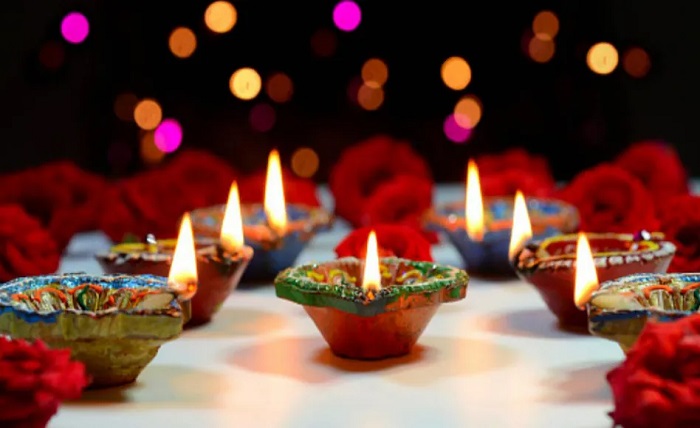
Narak Chaturdashi, celebrated during the Diwali season, is one of the most famous observances connected to chaudas kab hai. It symbolizes the victory of good over evil and is celebrated with rituals, lamps, and prayers.
Another significant observance is Anant Chaturdashi. Many devotees look up chaudas kab hai to participate in this festival, which marks the conclusion of Ganesh Chaturthi celebrations in many places.
Monthly Shivratri is also observed on Krishna Paksha Chaturdashi. Therefore, understanding chaudas kab hai becomes essential for Shiva devotees throughout the year.
How to Check the Exact Chaudas Date?
Because lunar dates change frequently, people often wonder how to accurately determine chaudas kab hai. The most reliable source is the Hindu Panchang, available in printed calendars, temple publications, and digital applications.
When checking chaudas kab hai, it is important to review both the start and end timings of the Chaturdashi tithi. Religious observances are usually performed according to the tithi prevailing during the prescribed ritual period.
Many websites and mobile apps now provide daily Panchang updates. These tools make it easier than ever to confirm chaudas kab hai and avoid mistakes in festival planning or fasting schedules.
Benefits of Observing Chaudas
Learning chaudas kab hai is not only useful for festival planning but also for those seeking spiritual benefits. Hindu traditions suggest that sincere worship performed on Chaturdashi can strengthen faith and promote inner peace.
Devotees who regularly monitor chaudas kab hai often use the day for meditation, prayer, and self-reflection. Such practices are believed to improve concentration and encourage positive thinking.
Religious teachings also state that observing Chaturdashi with devotion may help reduce negative karma and attract divine blessings. This belief motivates many families to check chaudas kab hai every month and participate in related observances.
Cultural Importance of Chaudas in Modern Times
Even in today’s fast-paced world, interest in chaudas kab hai remains strong. Families continue to follow traditional calendars and observe important rituals associated with Chaturdashi.
The search for chaudas kab hai has become easier due to digital technology. Mobile applications, online Panchang services, and temple websites provide accurate information instantly. As a result, younger generations can stay connected to cultural traditions while using modern tools.
The continuing popularity of searches related to chaudas kab hai reflects the enduring role of Hindu festivals and spiritual practices in everyday life.
Conclusion
The question chaudas kab hai is important for millions of devotees who follow the Hindu lunar calendar and observe Chaturdashi-related rituals. This sacred tithi holds special significance for Lord Shiva worship, fasting, charitable activities, and major festivals such as Narak Chaturdashi and Anant Chaturdashi.
By regularly checking chaudas kab hai through a reliable Panchang, devotees can perform religious observances at the correct time and fully participate in traditional celebrations. Whether for spiritual growth, family customs, or festival preparation, knowing chaudas kab hai remains an essential part of Hindu religious life.
FAQs
1. Chaudas kab hai?
The exact answer to chaudas kab hai depends on the lunar month and your local Panchang. Chaturdashi occurs twice every lunar month.
2. Why do people search for chaudas kab hai?
People search chaudas kab hai to know the correct date for fasting, temple visits, Shiva worship, and festival celebrations.
3. Which festivals are associated with chaudas kab hai?
Important festivals connected to chaudas kab hai include Narak Chaturdashi, Anant Chaturdashi, and Monthly Shivratri.
4. How can I check chaudas kab hai accurately?
You can verify chaudas kab hai through a Hindu Panchang, temple calendar, or trusted online Panchang application.
5. What are the benefits of observing Chaudas?
Many devotees believe that observing rituals after learning chaudas kab hai brings spiritual growth, peace, and divine blessings.